

Don’t Let Love Prevent You from Seeing the Flaws in Your Relationship
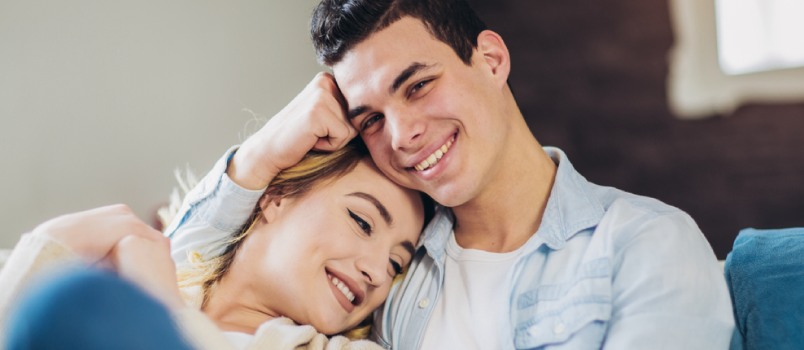
There is an old saying about love being blind, and to some degree that is true. When people first meet and are attracted to each other, there is a release of brain chemicals, most notably dopamine and serotonin, which are the feel-good chemicals in the brain.
There are a lot of other senses and physiological responses going on in our bodies. All of these make us feel great, excited about being with the person an even unable to see parts of their personality, behaviors, and traits that we simply do not want to see or acknowledge.
With time the unpleasant personality traits of your partner start reflecting
For a healthy, non-love addicted adult, this high level of awareness and pleasure fades over time, and often we discover behaviors, traits, and issues that are unappealing or simply not a good match for our beliefs, lifestyle or values.
At this point, a healthy person without a love addiction will break off the relationship, feeling confident they can be alone and find a more suitable partner.
The relationship and marriage addicted individual does not have this type of ability. She or he only wants to see the good in the person, the potential for the romantic, idealized and fantasy love they have always been seeking. It is not as if they do not ever see the negative or the abusive issues; rather they are willing to simply block them out, make excuses or blame themselves for the issue.
The love addicted individual will do whatever it takes to stay in the relationship. This may even mean cutting off friends and family members who don’t agree with the relationship or attempt to point out reality.
When finding love becomes an obsession
Thinking about the relationship and the fantasy of the other person as the perfect match becomes an obsession. This behavior and thinking are clearly described in my new book “The Marriage and Relationship Junkie“. The more the addict obsesses about the relationship, the more delusional the thinking becomes about the other partner being Mr. or Mrs. Right, even though that is clearly not the experience or the case.

Making the change
It is very difficult to overcome trauma, abuse, abandonment, family dysfunction and lack of appropriate role models which are at the heart of many issues with the relationship and marriage addiction.
Counseling and therapy will be instrumental in helping individuals to pinpoint these issues, examine them in a safe and supportive therapeutic environment, and to learn to develop new and healthy coping mechanism for being in relationships in the future.
One of the most important behaviors to change is moving from fantasy thinking about new partners and new relationships to addressing the reality of the individual.
While this may seem counterintuitive, the first place to start is to see yourself honestly. This means accepting the trauma of the past and learning to appreciate yourself as a unique individual who has developed skills, abilities, talents, and expertise.
Once you can truly say you love yourself and are comfortable on your own, you can then see others without the driving and blinding need to be in a relationship and with another person.


No comments:
Post a Comment